Our project's banner

Our project's banner
made by the Greek team

Thursday, February 7, 2013

Greasy Thursday, Poland

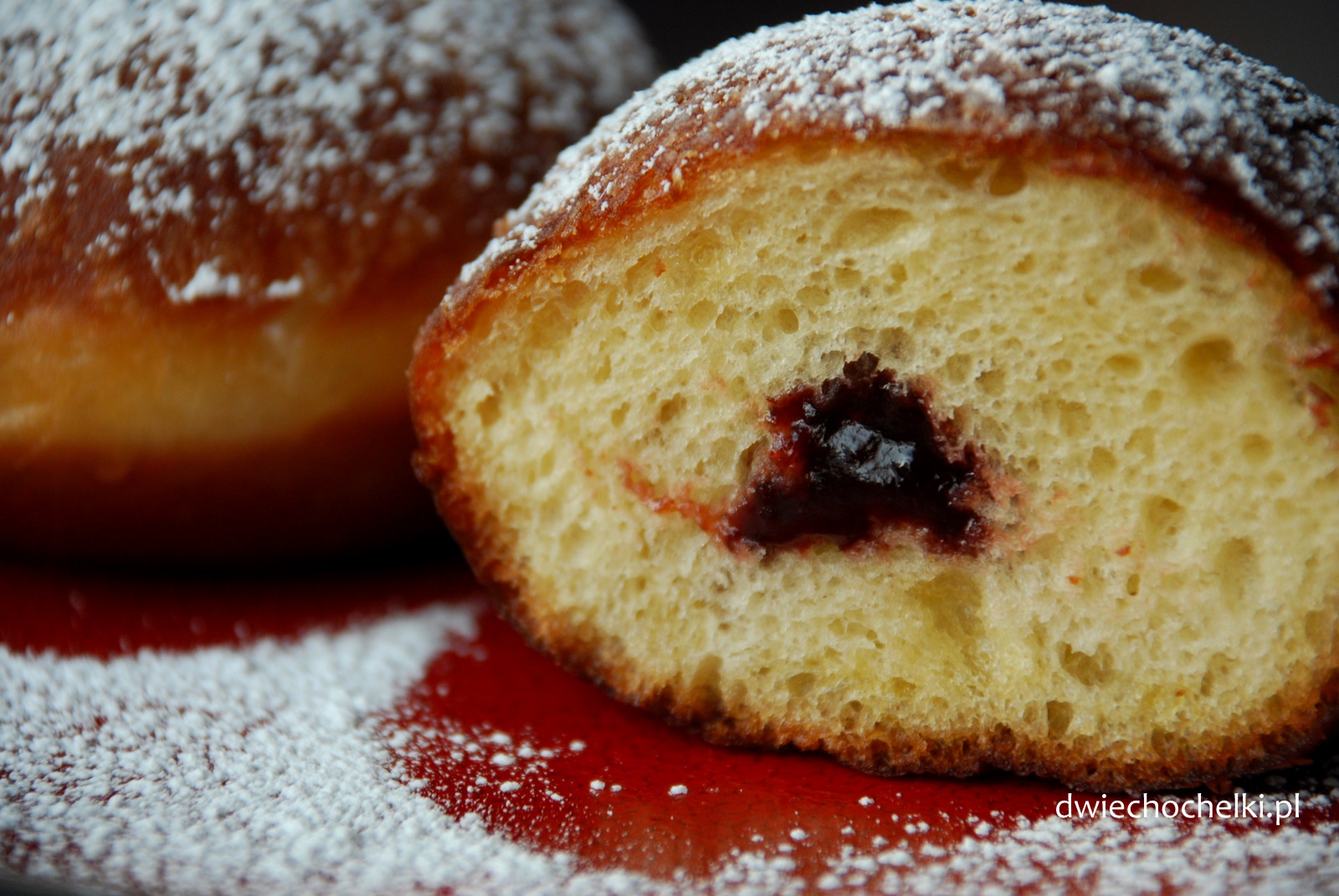
Last Thursday before Lent is called Greasy Thursday (or Fat Thursday) in Poland. On this day we eat a lot for sweets called pączki (doughnuts) or faworki. We like this tradition a lot:-)


Wednesday, February 6, 2013

Games for internet safety

Dear Blogtrotters across Europe here there are the links for:
1)  an interactive game about the safer use of internet.
 This game "The adventures of a modern Odysseus" was the participation of our school in the Saferinternet competition 2008 and it won the 1rst European Prize. It was made by a team of 10 students and the teacher Anastasia Pitsouli

Click on the link: "The adventures of a modern Odysseus"

2)The second link opens a Jclic application, which contains the interactive game about the safer use of internet "Help Mr. Rabbit" , a questionaire, a crossword puzzle and an internet glossary under the general title "Saferinternet".  There are versions in Greek, English, Italian, Romanian, Polish, Spanish and German. It was made by the teacher Anastasia Pitsouli during a multilateral Comenius project of our school in 2009-2011. You will be asked to run a Java applet to open it. Don't hesitate to do it, it's clean of viruses.
Click on the link:       "Saferinternet"

Celebrating the Safer Internet Day 2013 we suggest you to play them and think how important it is to use internet in safe.


Our country - Greece


   My Greece! I whisper your name; the wind takes it and spells it to the golden-green leaves of the olive trees and to the balmy flowers of the orange trees. They greet me back politely.

   And then, the sun is mirrored on the mountain tops and makes them shine like diamonds. The sunbeams hug my country with love. They play with the foams of the sea waves. They caress the green plains, the magnificent islands, the villages, the cities, the houses and the churches. The sun shines endlessly in my country. This way, people’s hearts who live at this blessed place fill with optimism. The most beautiful things in Greece are not things. It is the sun, the clear, blue sky that touches the light blue sea. It is the Greeks with their warm, hospitable hearts. All these make my Greece a unique place.     (written by Anna)

  Travel across Greece watching the following presentation made by Anna and Kalliopi.  


The Greek team made postcards to send greetings from Greece to all "Blogtrotters across Europe"  


Thanks to the teacher of art of our school, the students made drawings - stamps inspired of our country or city. Here there are some of them.


Saturday, February 2, 2013

a page of history: "Ortona" during the Second World War


During the World War II Ortona was considered a strategic point both from German and Anglo American troops. In fact it was included in the so-called Gustav line, a line ideally connecting Ortona to Cassino, a city in the region of Lazio, thus dividing Italy into two parts just in the middle. In Ortona German and Canadian troops fought a terrible battle, in the very heart of the city and for this reason the town was called the “little Stalingrad”.

 tanks of allied troops in Corso Vittorio Emanuele
the main street of the city         


On the first days of December 1943  Canadians arrived from the south part of Ortona, facing the German army and air force, which destroyed the whole town including the harbour and the Cathedral. The siege lasted for about seven months and the most terrible fight was on the 22nd of December. The population of Ortona was compelled to leave the homes and moved to the countryside but a few people decided to stay in town. Many of them died of starvation, cold or under the bombings. Ortona was awarded “Gold Medal” for the large number of civilians killed during the siege. A lot of them were children, women and old people.
band concert of the troops in front of  the theatre  "Francesco Paolo Tosti"
on the occasion of the liberation

On the 28th December 1943 the city of Ortona was finally freed by the Canadians but the people coming back to their homes, found only destruction and death.


image of the dome of the cathedral destroyed
it is the symbol of the end of the battle 


The class 3 F thanks to the historical Canadian archive for the photographs